English
 Français
 Pусский
 Español
 Português
 ไทย
ไทย العربية
 िन्दी
िन्दी Indonesia
Custom Solutions For Track Maintance

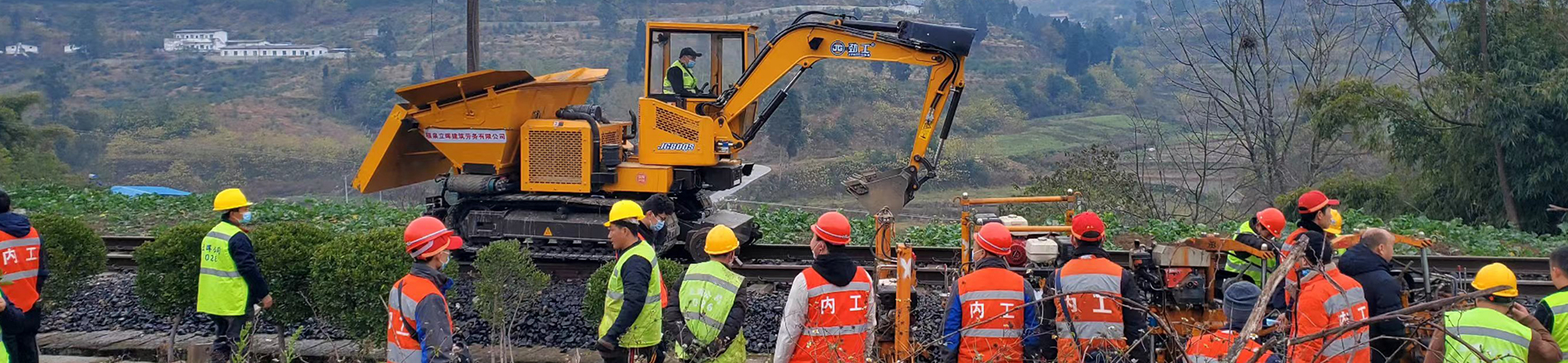
New Engine for Railway Construction: Analysis of the Five Core Advantages of Railway Excavators
In the complex system engineering of railway construction, the pressure of time, the challenges of safety, and the strict budget control are always present. When the rumbling of heavy machinery echoes on the construction front, railway excavators have quietly transformed from auxiliary tools into the core engine driving the efficient progress of modern rail engineering. Their unique engineering value is profoundly reshaping the landscape of railway construction.
1. Precise and Efficient, Establishing the Foundation of Project Speed
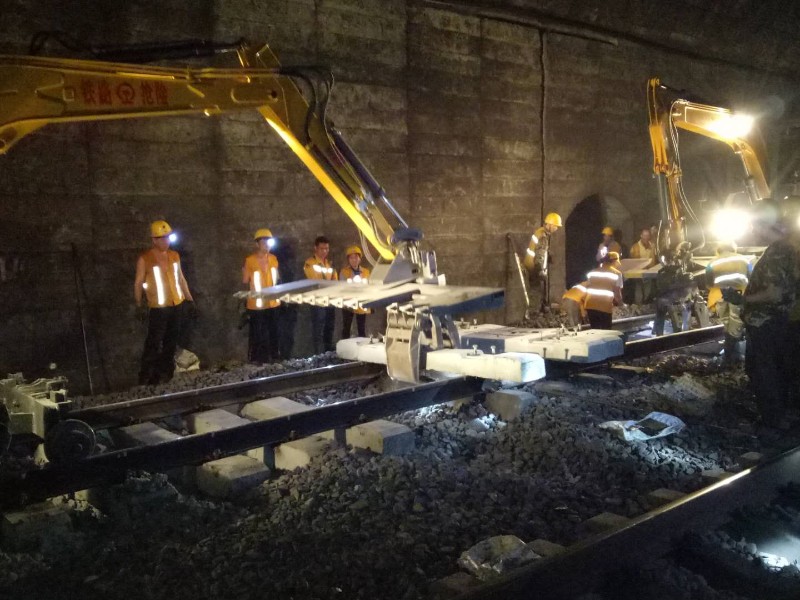
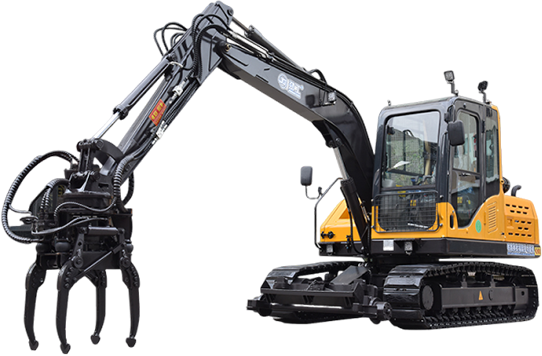
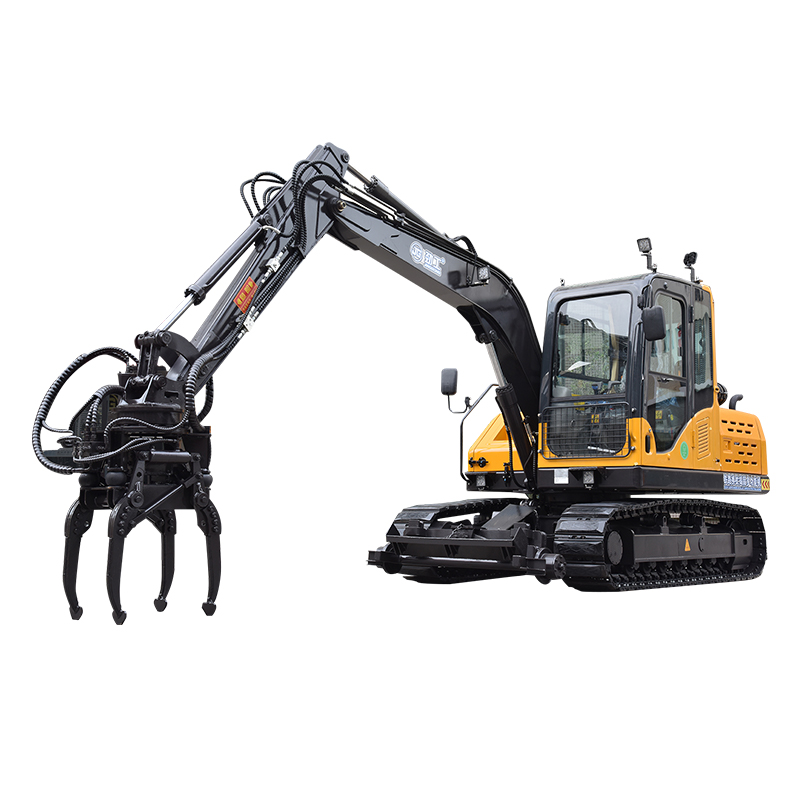
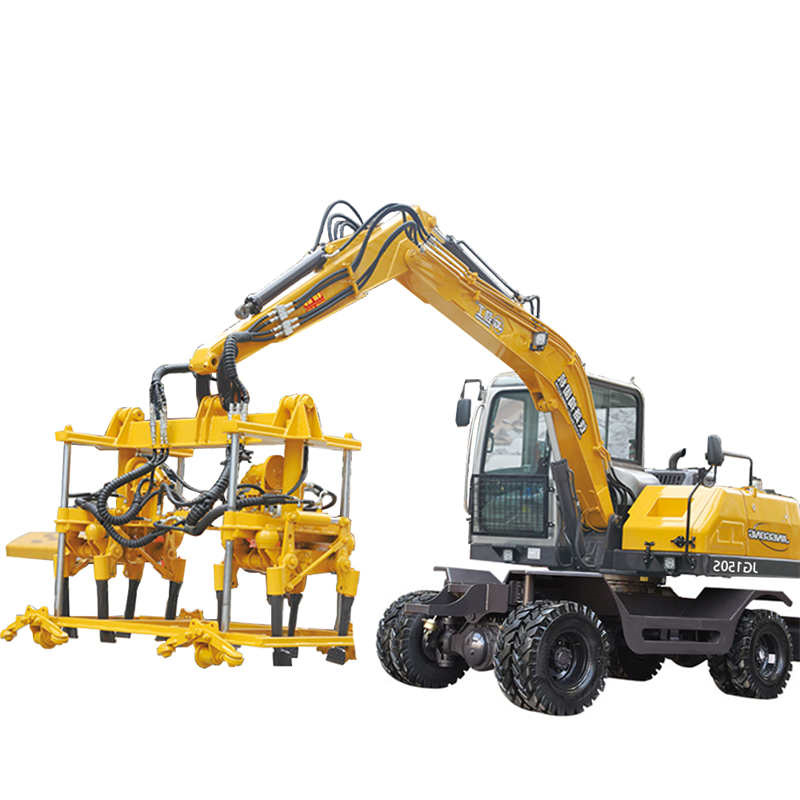
Railway excavators, with their extraordinary flexibility, powerful power, and multi-purpose adaptability, have become the key to breaking through the bottleneck of railway construction efficiency. Whether it is the excavation of harsh permafrost, the precise shaping of complex culverts, or the hoisting and positioning of heavy rail components, these mechanical experts can operate with ease on narrow or rugged working surfaces. The customized tool combinations allow a single machine to seamlessly switch between earthwork excavation, slope trimming, and gravel compaction, minimizing the time loss caused by frequent equipment swaps and ensuring a precise and efficient construction process like a well-oiled gear.
2. Comprehensive Safety Assurance, Building a Solid Defense Line
In the railway construction field that prioritizes safety, railway excavators build multiple safeguards for operators and the construction site environment through systematic design. Anti-rollover reinforced driver's cabs, intelligent stability control systems, 360-degree panoramic image monitoring, etc., significantly reduce operational risks. Mechanical personnel performing high-risk tasks in dangerous slopes, deep tunnels, or near high-voltage lines directly reduces the probability of personnel exposure to risky environments. Their precisely controllable action characteristics also avoid the damage to adjacent structures or unexpected collapses that may result from traditional loose construction methods, safeguarding the overall project's safe progress.
3. Full-cycle Cost Optimization, Releasing Significant Economic Value
The cost benefits brought by railway-specific excavators are throughout the project. The efficient design of the power system significantly reduces long-term fuel expenses; the sturdy and durable structure and easy maintenance design concept effectively extend the equipment's service life and reduce maintenance frequency and downtime. More importantly, its outstanding construction efficiency and task integration capabilities significantly shorten the overall project duration - this not only directly saves high labor and equipment rental costs but also enables the project to be put into operation earlier, generating earlier cash flow returns. In the long run, its dual guarantee of project duration and quality avoids the huge expenditure of subsequent rework.
4. Strong Environmental Adaptability, Conquering Diverse Construction Challenges
At the extension points of railway lines, diverse geological and climatic challenges are inevitable. Railway excavators, with their excellent engineering adaptability, become the solution. Whether it is the muddy swamps of tropical rainforests, the frozen soil belts of high-altitude areas, or steep mountains or soft sandy areas, their enhanced chassis traction, optimized weight distribution system, and excellent tolerance to extreme temperatures ensure the stable and reliable operation of the equipment in various harsh conditions. This strong environmental adaptability ensures that construction is no longer easily hindered by complex terrain and climate.
5. Technology Empowerment, Leading the Future of Intelligent Construction
Modern railway excavators are carriers of cutting-edge technologies. Integrating GPS or Beidou high-precision positioning modules ensures that roadbed excavation and slope trimming fully comply with digital design drawings; onboard intelligent sensors can monitor key operating parameters and operation status of the equipment; some high-end models already support remote data connectivity, providing strong support for fleet management, preventive maintenance, and dynamic optimization of construction plans. These intelligent features are important cornerstones for railway construction to achieve higher precision, better management, and stronger controllability.
In the field of railway construction, railway excavators have transcended the attribute of a single tool and become the core technical force driving efficiency revolution, safeguarding life safety, releasing economic value, and addressing complex challenges. Its far-reaching comprehensive benefits are indispensable for ensuring the timely, safe and high-quality delivery of railway projects.