English
 Français
 Pусский
 Español
 Português
 ไทย
ไทย العربية
 िन्दी
िन्दी Indonesia
Custom Solutions For Track Maintance

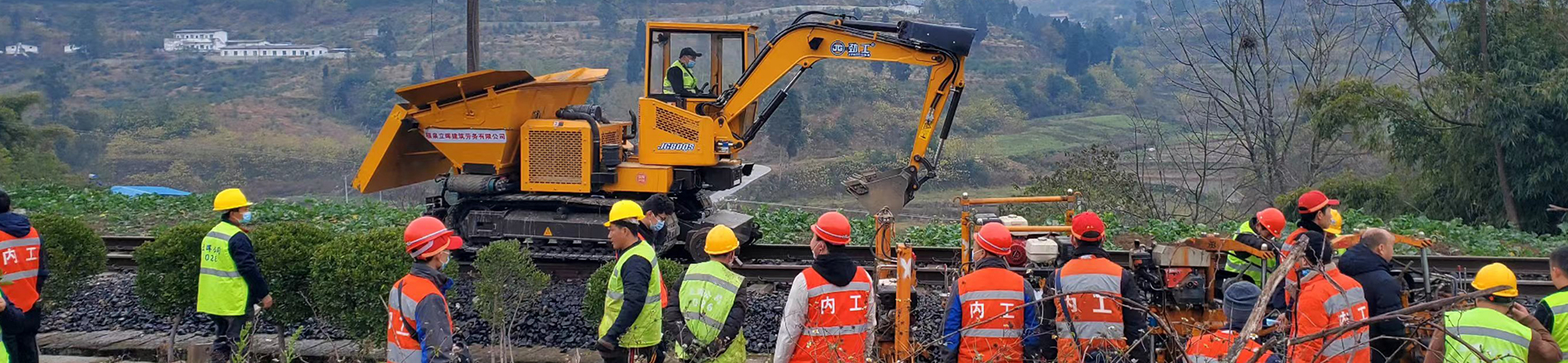
Understand the classification of railway excavators: key machinery for efficient track maintenance
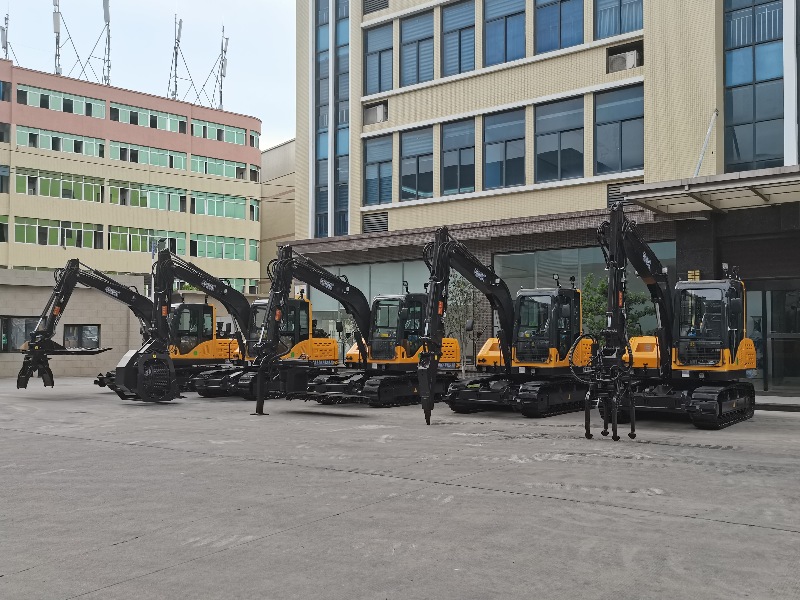
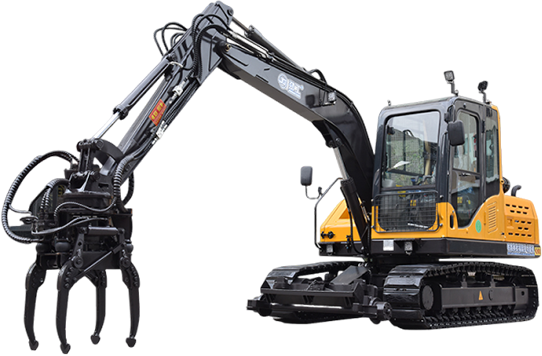
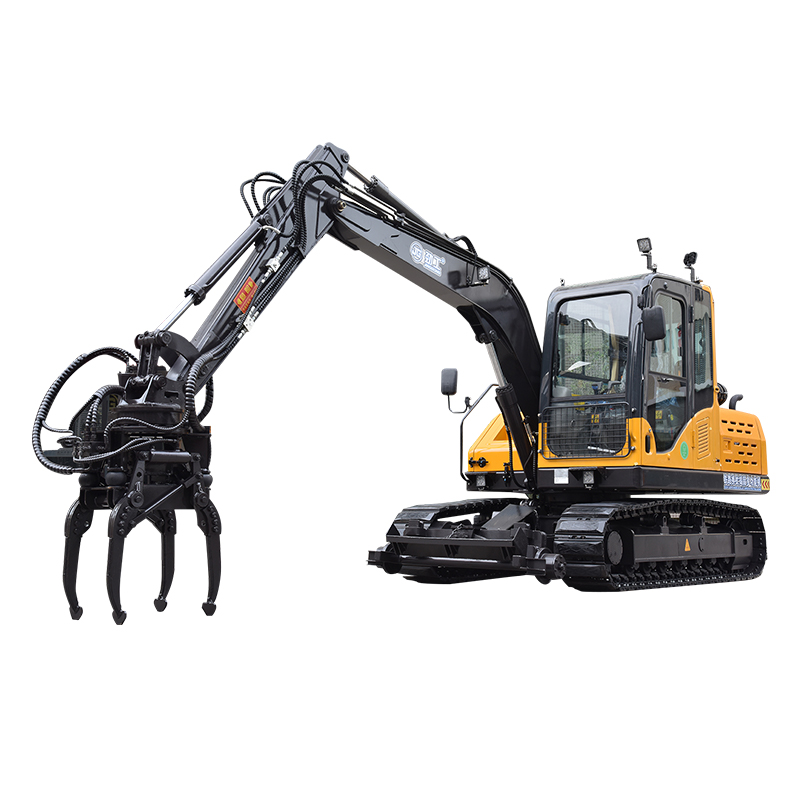
Railway excavators are essential in modern railway infrastructure, ensuring that tracks remain safe, durable and efficient. With the expansion of the global rail network, especially in high-growth markets such as Asia and Europe, the demand for specialized machinery has surged. Categorizing these excavators can help operators and buyers select the right equipment for a specific maintenance task, reducing downtime and increasing productivity. In this comprehensive guide, we explore the main categories of railway excavators, including railway sleeper replacement machines, railway ballast cleaning machines, railway compactors, and railway ballast screening machines. By knowing these classifications, railway professionals can make informed decisions that improve track life and operational safety. Whether you are managing freight lines or passenger networks, this knowledge is essential to optimize maintenance schedules and minimize costs.
1、 railway sleeper replacement machine: thoroughly update the track
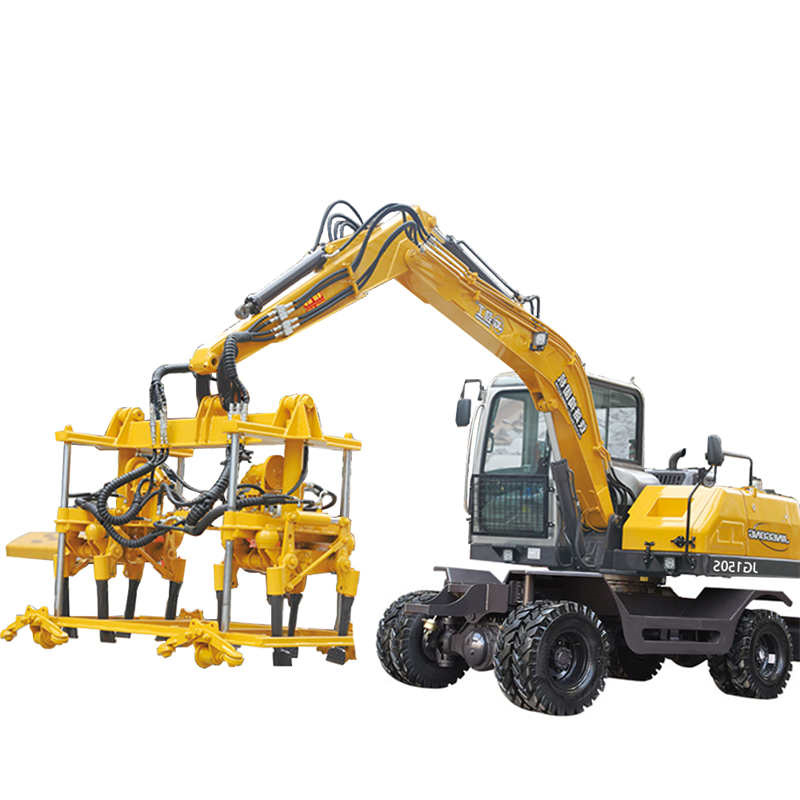
Railway sleeper replacement machines are designed to efficiently replace worn or damaged sleepers, also known as sleepers, without interfering with railway traffic. These machines use hydraulic arms and precision clamps to remove old concrete or wooden sleepers and install new ones in a single operation. For example, advanced models incorporate AI-powered sensors to assess sleep conditions and calibrate replacements with millimeter accuracy, thereby reducing manual labor by up to 70%. This is critical for heavily trafficked corridors, where delays can cost thousands of people per minute. Key advantages include enhanced track stability, prevention of rail buckling, and extended asset life. In applications such as urban transportation systems or heavy-load freight lines, sleeper replacement machines cut the maintenance window in half, making them a cost-effective solution for operators aiming to comply with strict safety regulations. By investing in these machines, railway companies not only increase reliability, but also demonstrate a commitment to sustainable practices -old sleepers are often recycled and meet global environmental standards.
2,、railway ballast cleaning machine: to ensure the optimal track foundation
Railway ballast cleaners, or ballast regulators, are mainly used to maintain the gravel layer under the track, which is essential for drainage and support. These excavators use a rotating drum or suction system to remove debris, dirt, and soiled ballast, replacing it with clean, graded materials. Modern models are equipped with automatic controls that adjust the cleaning depth based on real-time soil analysis to prevent problems such as track settlement or waterlogging. This machine is essential to avoid derailment and ensure smooth operations in situations such as monsoon-prone areas or high-speed rail networks. The benefits are manifold: improved track geometry, reduced vibration, and extended ballast life of up to 30%. Operators in export-intensive markets, such as those sourcing from our independent sites, have found these machines invaluable in adapting to a variety of terranes -from desert routes to coastal ones -where ballast contamination is common. Ultimately, ballast cleaning improves safety while reducing long-term maintenance costs, a key selling point for international buyers seeking rugged, adaptable equipment.
3、railway tamper machine: precise compaction of track stability
Railway compactors are the struts for track alignment, using vibration tools to compress the ballast around the sleepers and secure the track position. These excavators employ synchronous tamping heads to lift and fill the ballast, correcting for unevenness caused by train loads or weather. Innovations such as gps navigation systems allow for automated, high-precision tamping at complex intersections or curves, with a 50% increase in efficiency compared to manual methods. This is particularly advantageous for high frequency passenger lines, where ride comfort and speed are of Paramount importance. The advantages include reducing track wear, preventing rail creep, and enhancing load distribution. For global customers, tampers offer versatility -they are integrated with other maintenance equipment for joint operation, reducing the need for multiple machines in the field. On the export side, emphasizing its role in meeting international standards such as UIC or FRA guidelines can attract buyers looking for compliant, high performance solutions that ensure continuity and security of operations.
4、 railway ballast screening machine: cleaning track foundation
Railway ballast sieves are specifically designed to filter and recycle ballast, separating reusable materials from waste such as soil or gravel. These excavators use vibrating screens or conveyor belts to screen ballast, ensuring that only clean, evenly sized aggregates are retained. Advanced models employ AI to monitor contamination levels and adjust screening intensities to maximize material reuse and reduce processing costs by 40%. In applications such as mining railways or aging infrastructure, such machinery is essential to maintain optimal drainage and carrying capacity. The main benefits are resource efficiency, environmental sustainability and cost savings -the recovered ballast can be reused many times, in line with the trend towards a circular economy. For international sales, emphasizing how the screening machine handles different types of ballast, such as granite or limestone, can appeal to buyers in resource-scarce areas. This not only extends the service life of the equipment, but also supports more environmentally friendly railway operations, which is an increasing priority in the global market.
Conclusion: Use professional excavator to maintain elevated track
In summary, the classification of railway excavators -including replacement of sleepers, clearing of ballast, tamping and screening machines -provides a framework for targeted, efficient track maintenance. Each category addresses specific challenges, from sleeper degradation to ballast contamination, collectively improving safety, reducing downtime, and reducing operational costs. As railway infrastructure evolves, investing in these specialized machines is not only a technical necessity, but also a strategic advantage for operators worldwide. For example, adopting an integrated system can simplify the workflow, while iot capabilities provide real-time data for predictive maintenance. At our independent sites, we offer a range of high quality railway excavators designed for global export, supported by experts.